SERVUS FROM VIENNA!
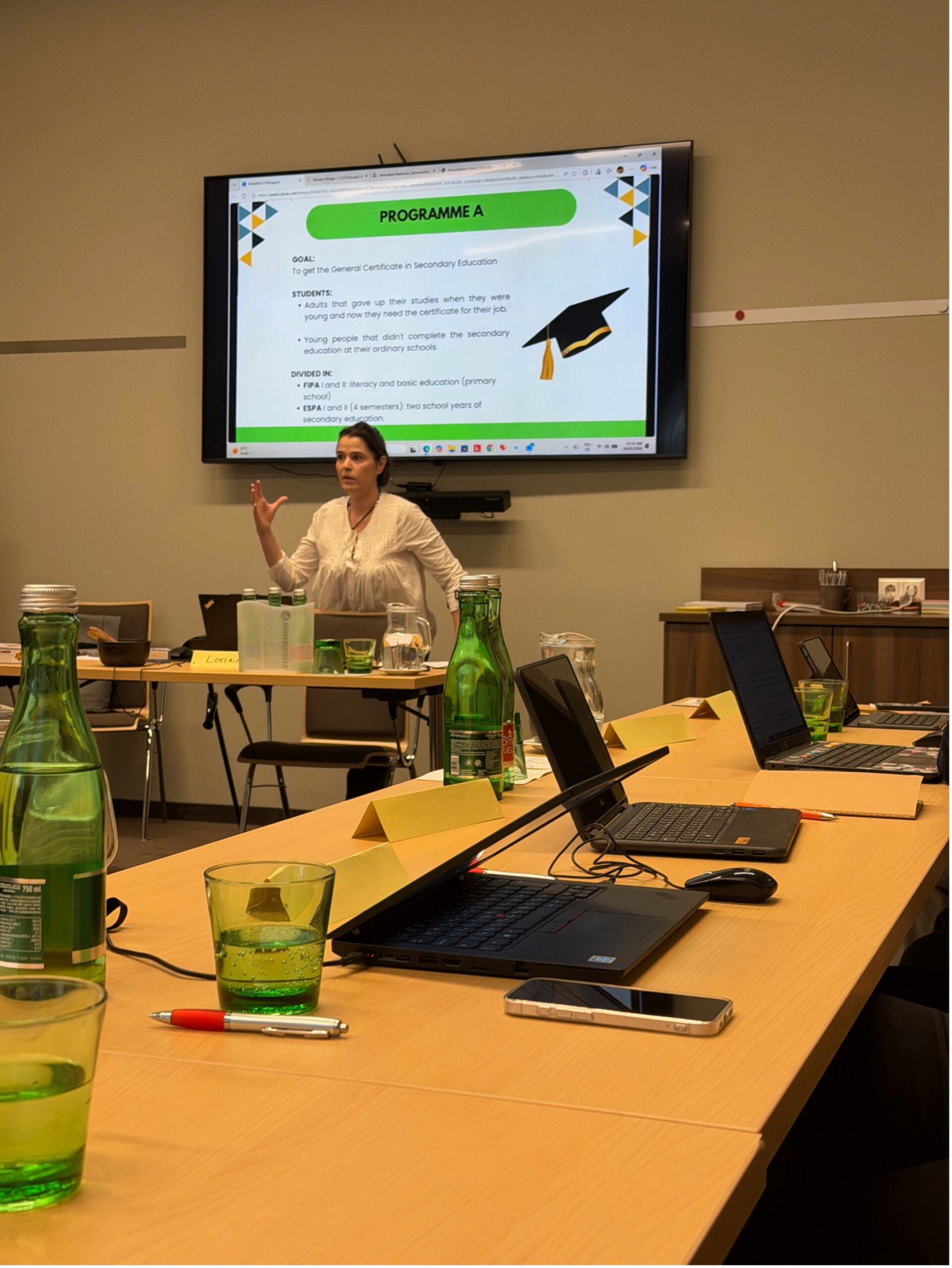
How can Artificial Intelligence meaningfully support teaching? With this question in mind, one of our teachers travelled to Vienna for a week as part of the Erasmus+ programme. The focus was an international training course on “Content Creation with AI” and the question of how digital tools can make lessons more creative and engaging.
AI IN THE CLASSROOM: TESTING, TRYING, DISCUSSING
Instead of long theoretical sessions, the focus was mainly on one thing: trying things out. During workshops and group activities, different tools were explored and discussed with a clear focus on how they could be meaningfully used in the classroom.
Particularly interesting were tools such as Claude, which can help structure and develop ideas, NotebookLM, which organises information from documents in a clear and accessible way, and Gamma, which makes it easy to create presentations. At the same time, one thing became clear: AI can support, prepare and inspire – but it does not replace good teaching ideas.
LEARNING ACROSS BORDERS
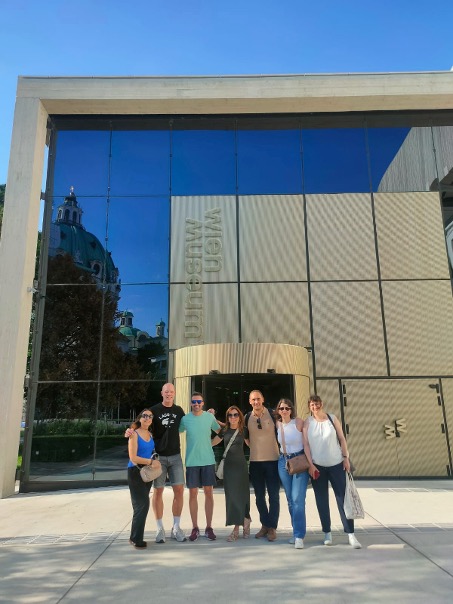
The group included teachers from Spain, Portugal, Poland and several other European countries. This led to many conversations about teaching, digitalisation and everyday school life – often during breaks or after the course.
Similar questions came up again and again: How do you motivate students? Where can AI really help – and where not?
VIENNA AS A PLACE TO LEARN
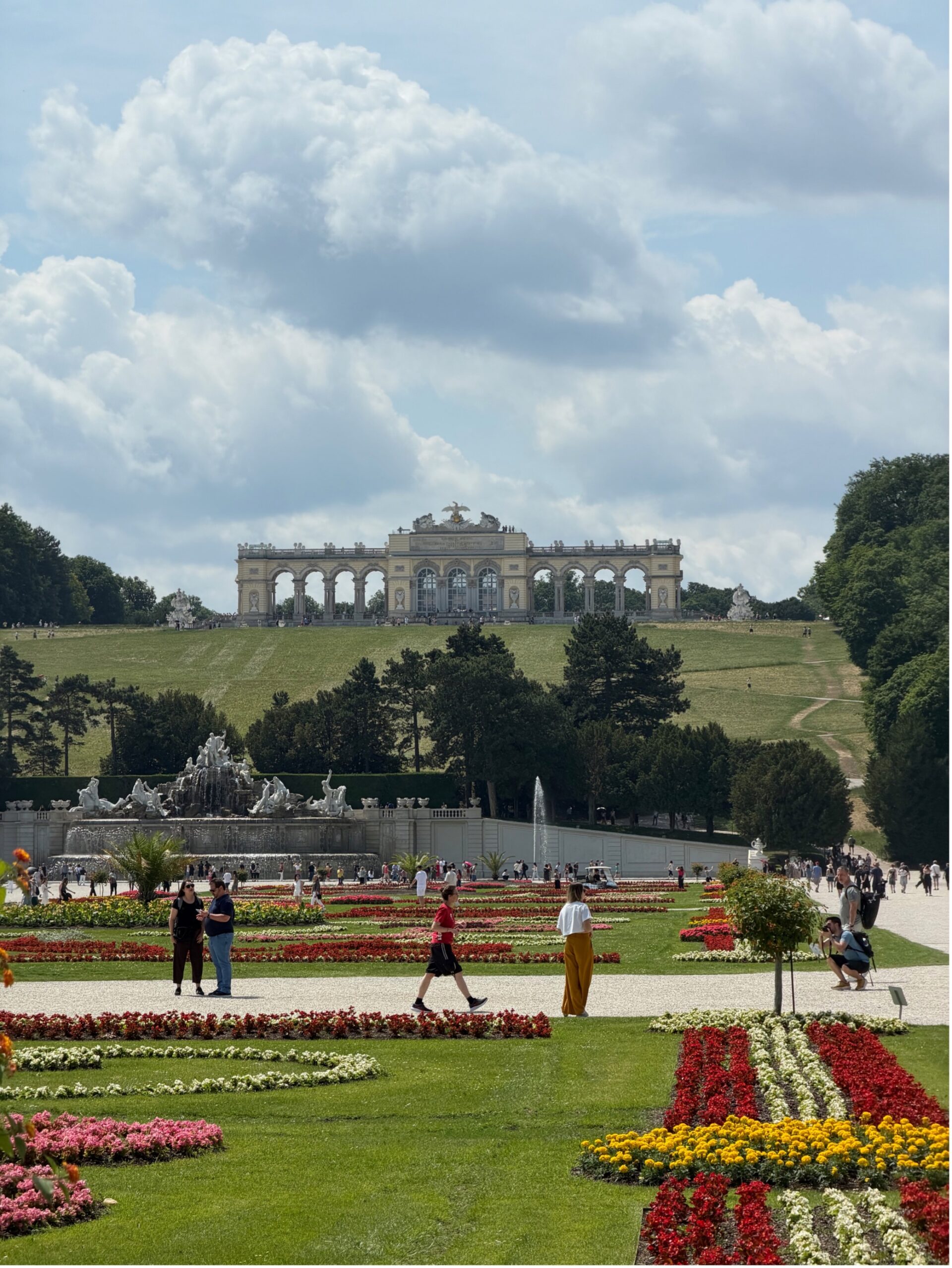
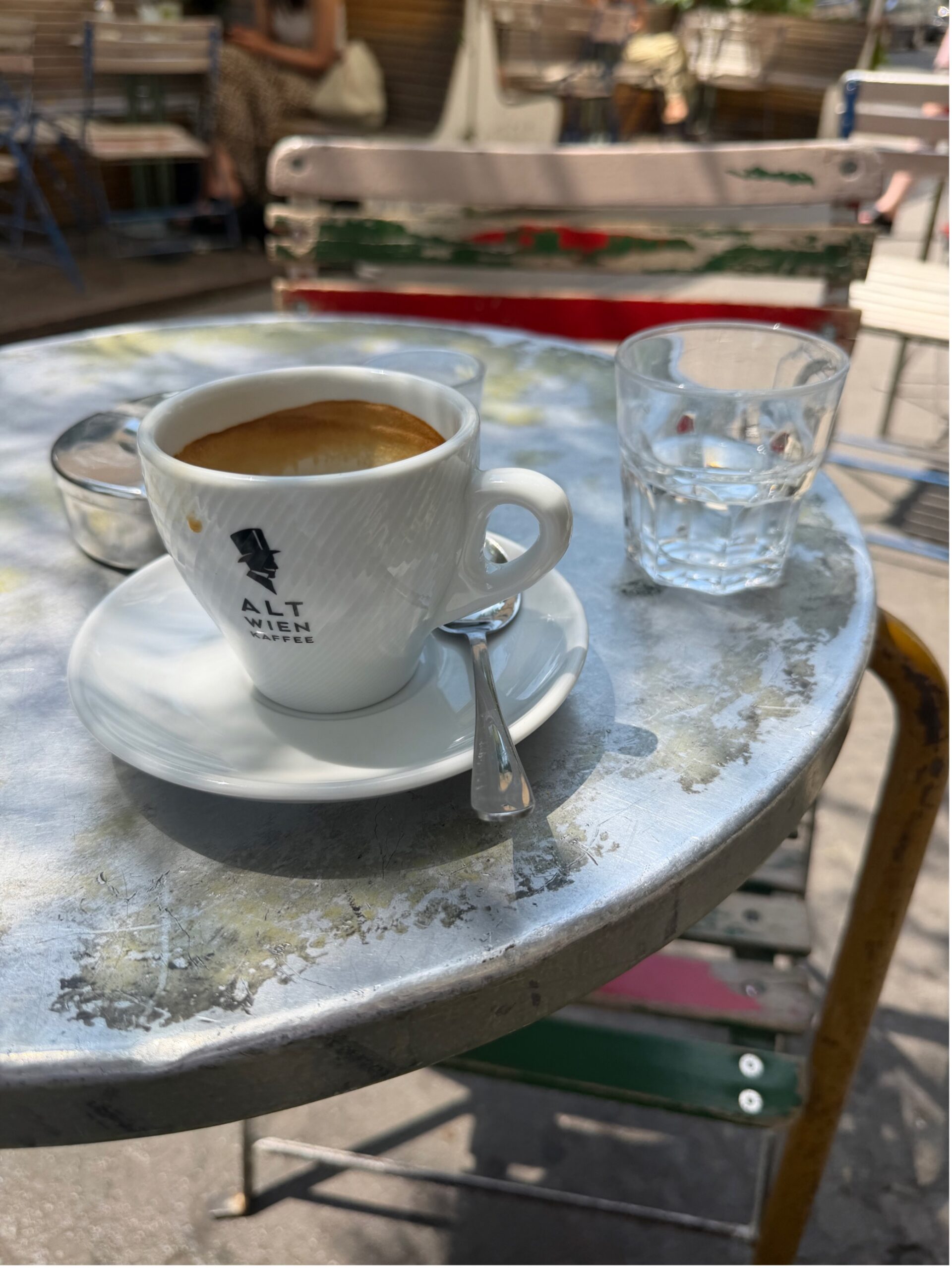
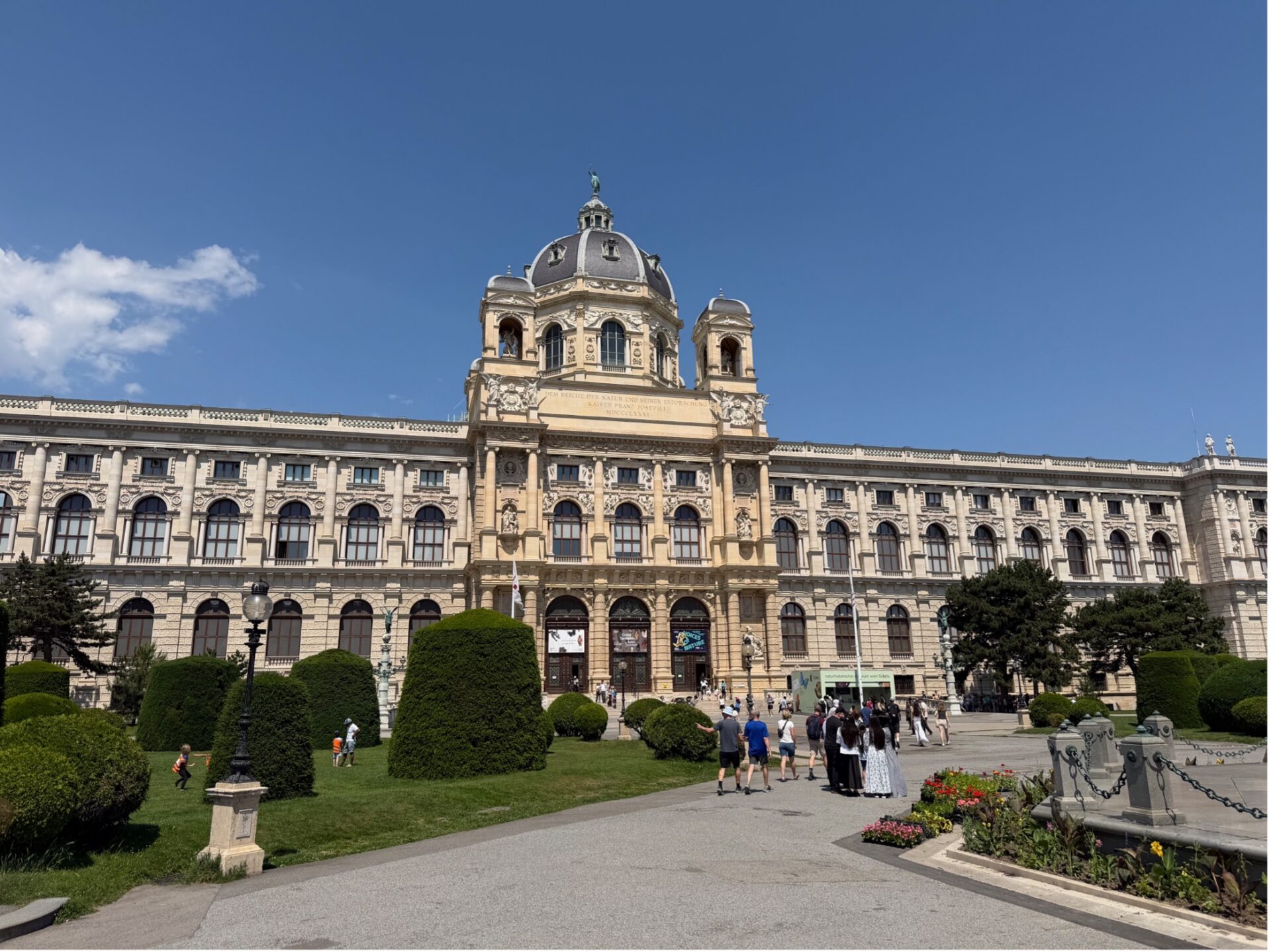
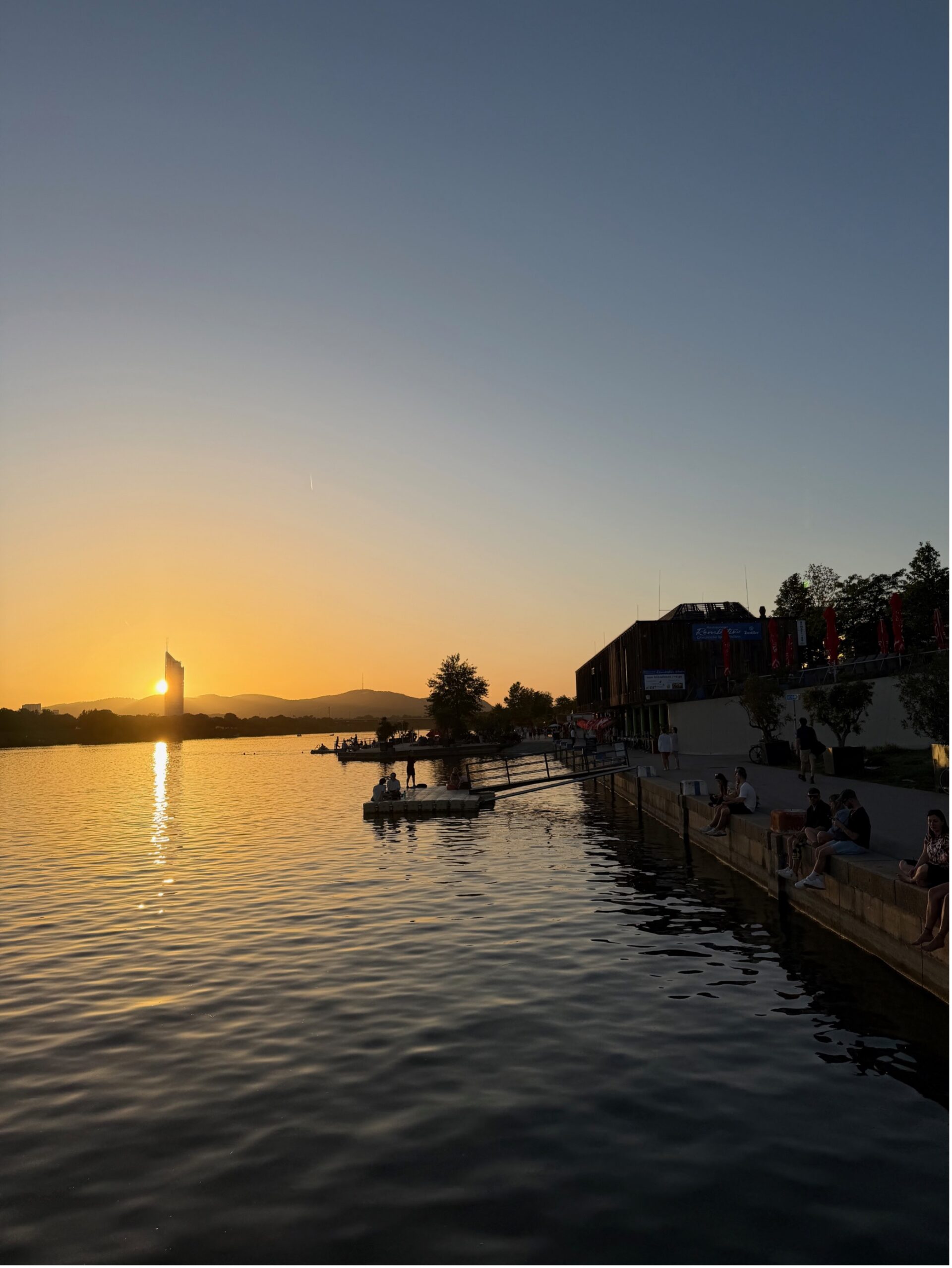
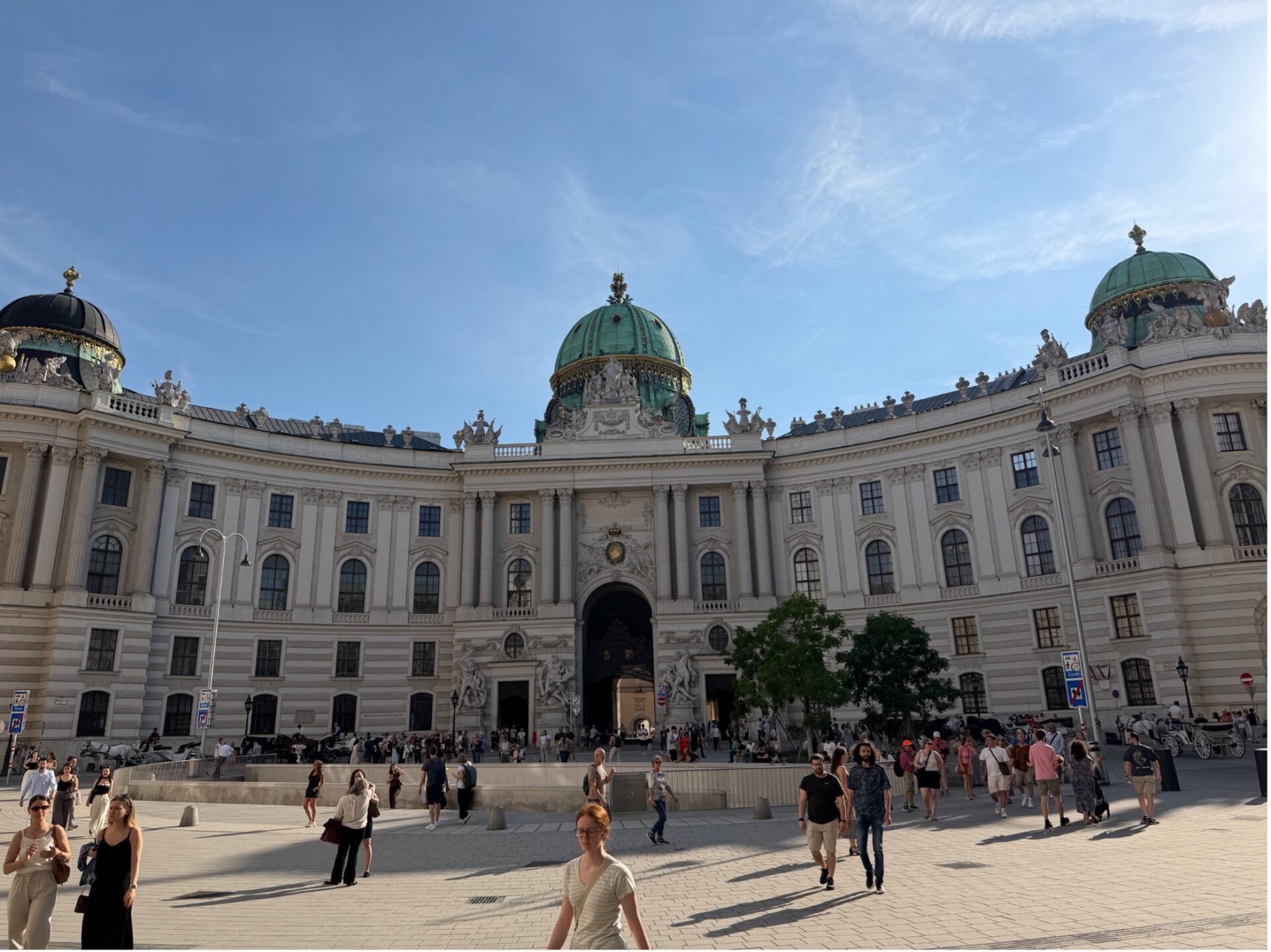
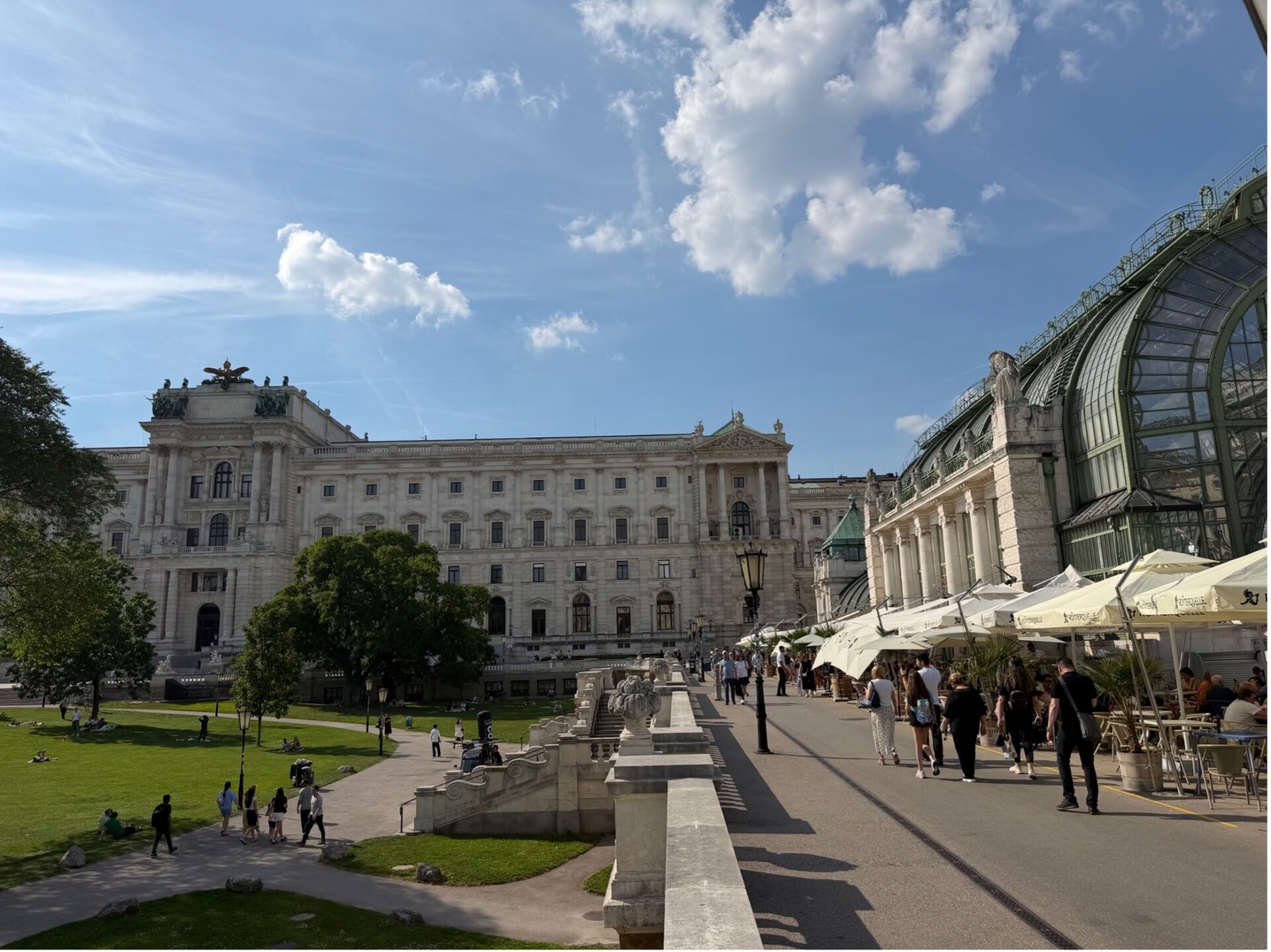
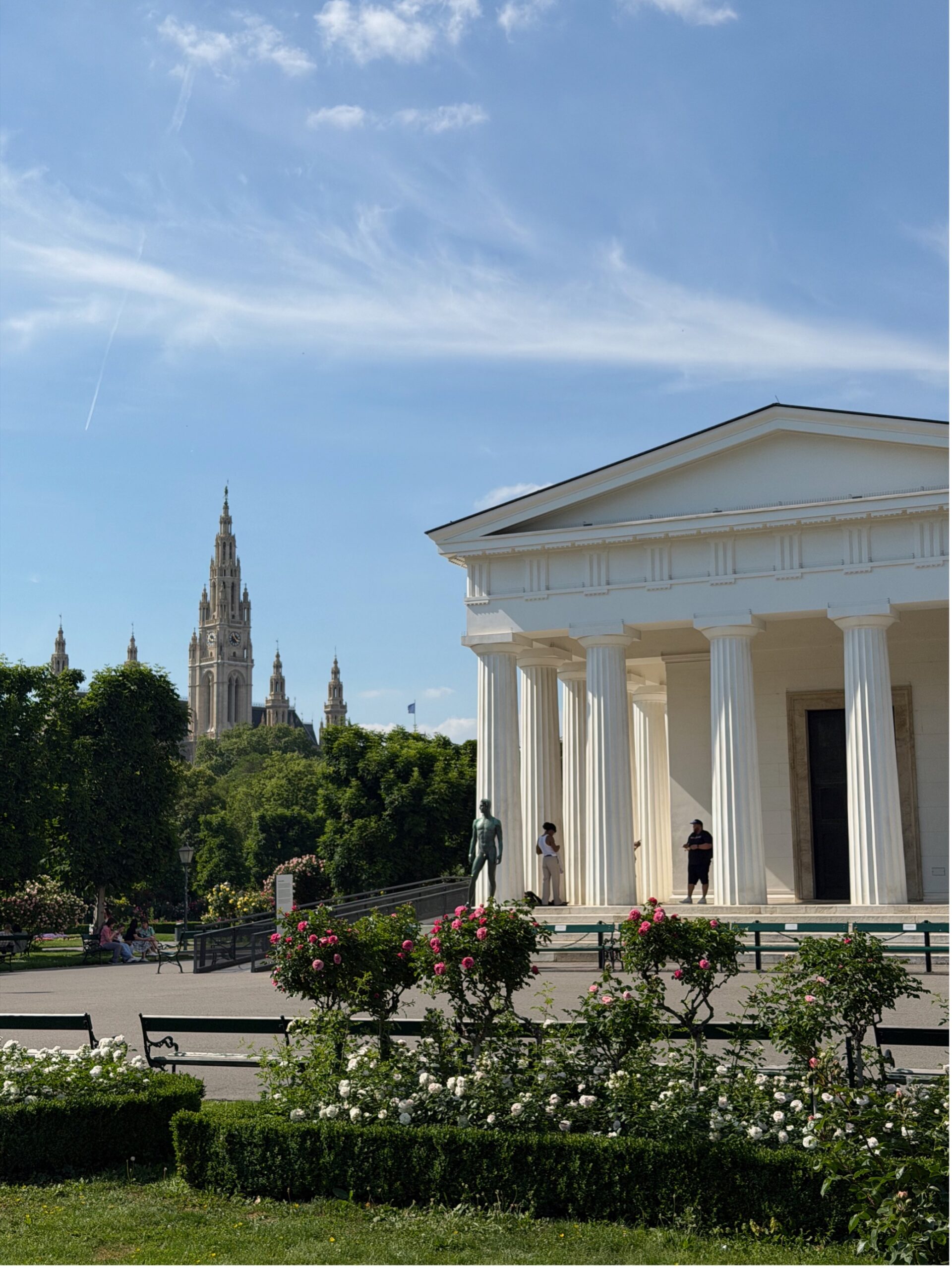
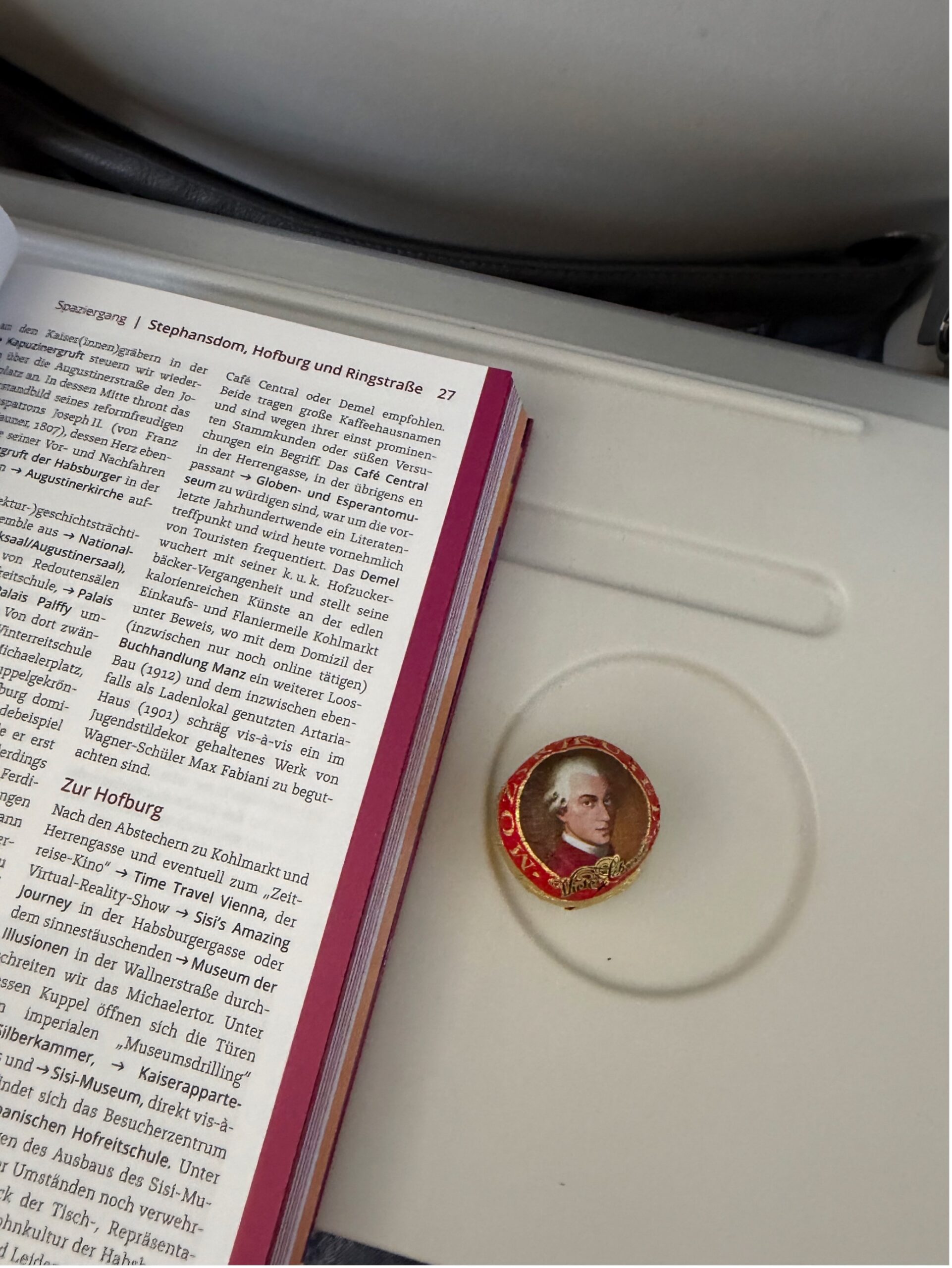
Alongside the training course, there was also plenty of time to get to know Vienna – helped by perfect weather. Between seminar rooms, cafés, walks through the city and museum visits, it quickly became clear why Vienna is such a popular cultural city. A perfect mix of monumental architecture, an impressive museum scene and a relaxed atmosphere!
NEW IDEAS TO TAKE BACK
After a week in Vienna, there are plenty of concrete ideas to take back into the classroom. Some tools will certainly be tested soon, while others simply offer new ways of thinking. Equally valuable was the exchange with colleagues from other countries and the realisation that many challenges in schools and teaching are surprisingly similar across Europe.
A big thank you to the Erasmus+ programme!